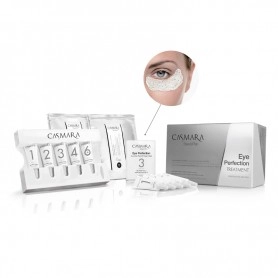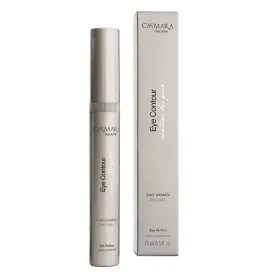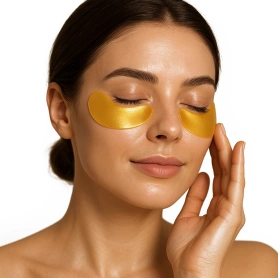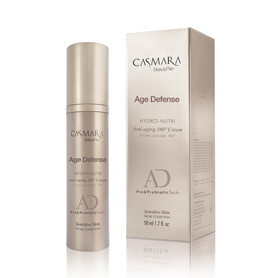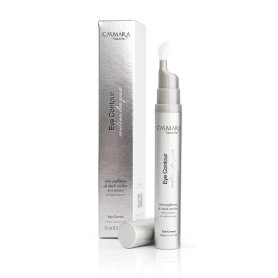

Eye masks are an essential skincare product for the eye area, specifically designed to address the particular needs of the sensitive skin around the eyes. They offer an intensive, often revitalising treatment to nourish and soothe the skin, giving it a fresh appearance. This overview explains the benefits of eye masks, their key ingredients and how to use them correctly.
Benefits of eye masks
1. Intensive moisturising: Eye masks are designed to penetrate deep into the skin and provide intensive hydration. They help to smooth dry, flaky skin and strengthen the skin’s moisture barrier. Ingredients such as hyaluronic acid and glycerine are commonly found in these products and provide the skin with long-lasting hydration.
2. Reduction of puffiness and under-eye bags: Many eye masks contain cooling or anti-inflammatory ingredients such as caffeine or green tea extract. These help to reduce puffiness, improve microcirculation and minimise bags under the eyes, making the eyes look fresher and more alert.
3. Lightening dark circles: Eye masks may also contain brightening ingredients such as vitamin C or niacinamide, which help to lighten dark circles and improve the complexion. These ingredients promote cell renewal and reduce the appearance of hyperpigmentation.
4. Smoothing fine lines and wrinkles: Using eye masks can help to minimise fine lines and wrinkles. Masks containing ingredients such as peptides or retinol support collagen production and promote skin regeneration, resulting in firmer and smoother skin.
5. Instant refreshment and soothing: The cooling and soothing properties of many eye masks provide immediate relief for tired and stressed eyes. They can help reduce dark circles and signs of tiredness, and revitalise the eye area as a whole.
Key ingredients
- Hyaluronic acid: Provides intense hydration and has a plumping effect.
- Caffeine: Reduces puffiness and improves microcirculation.
- Vitamin C: Brightens the skin and helps to reduce dark circles.
- Niacinamide: Smooths the skin’s texture and improves skin tone.
- Peptides: Promote collagen production and improve skin elasticity.
- Aloe vera: Soothes and hydrates the skin.
How to use eye masks
1. Preparation: Cleanse your face thoroughly to remove dirt and make-up. Gently pat your skin dry.
2. Application: Apply the eye mask according to the manufacturer’s instructions. Most eye masks come in the form of patches or gels that are applied directly to the eye area.
3. Application time: Leave the mask on for the recommended time. This varies depending on the product, but is usually between 10 and 20 minutes.
4. Removal: Carefully remove the mask and gently pat any excess product into the skin. Avoid rubbing or applying pressure.
5. Follow-up care: Continue with your usual eye care routine by applying an eye cream to enhance the mask’s results and continue to nourish the skin.
Conclusion
Eye masks are a valuable addition to your skincare routine and offer targeted and intensive care for the delicate skin around the eyes. With their wide range of benefits, such as moisturising, reducing puffiness, lightening dark circles and smoothing fine lines, they are ideal for revitalising the eye area and giving it a fresh, radiant appearance. With regular use, you can improve the health and appearance of your eye area and enjoy refreshed, youthful-looking skin.